Nutrition Planning for Busy Schedules
Learn how to organize your daily nutrition efficiently, even with limited time. Educational guidance for practical meal planning.
Request a Consultation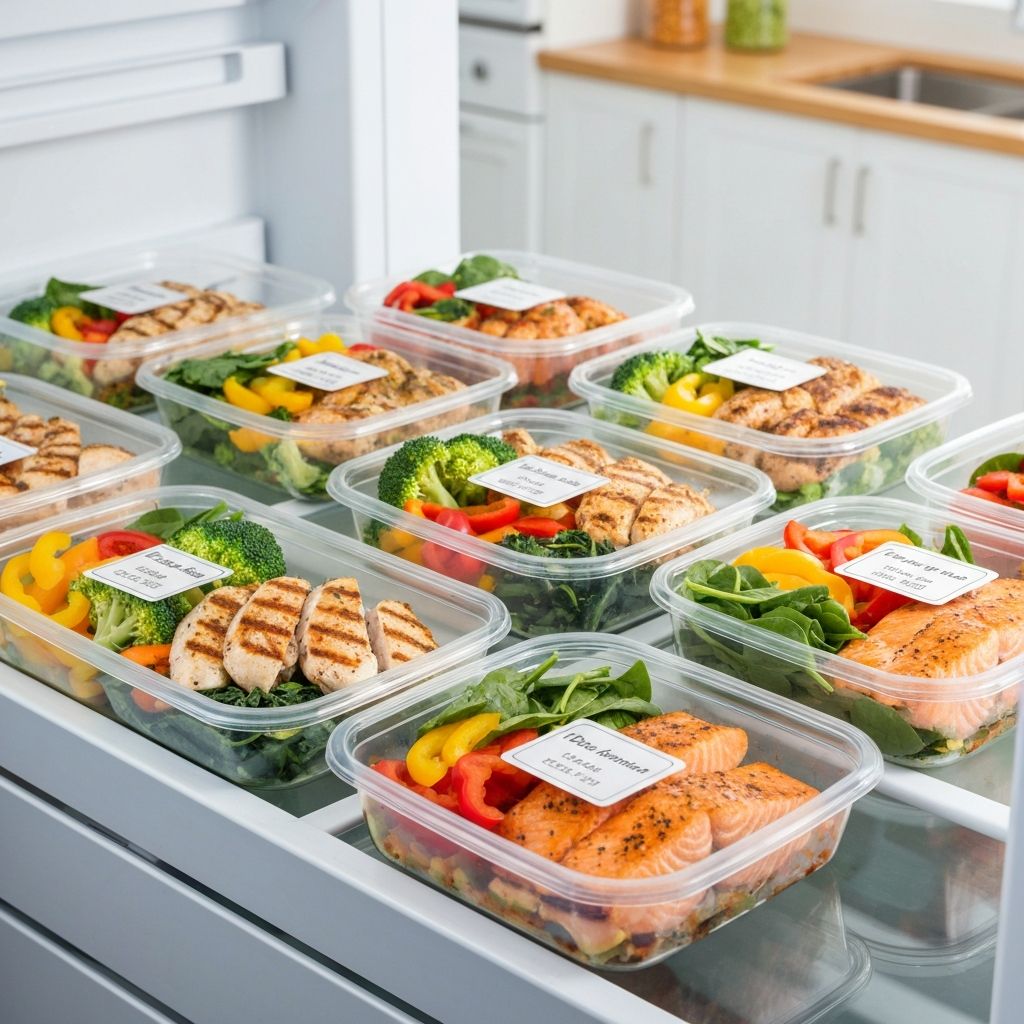
Learn how to organize your daily nutrition efficiently, even with limited time. Educational guidance for practical meal planning.
Request a Consultation
Understanding basic meal planning principles helps reduce daily decision-making time and streamlines your routine.
Learning systematic approaches to food preparation makes busy days more manageable and less stressful.
Gain knowledge about simple, balanced eating habits that fit into real-world schedules and lifestyles.

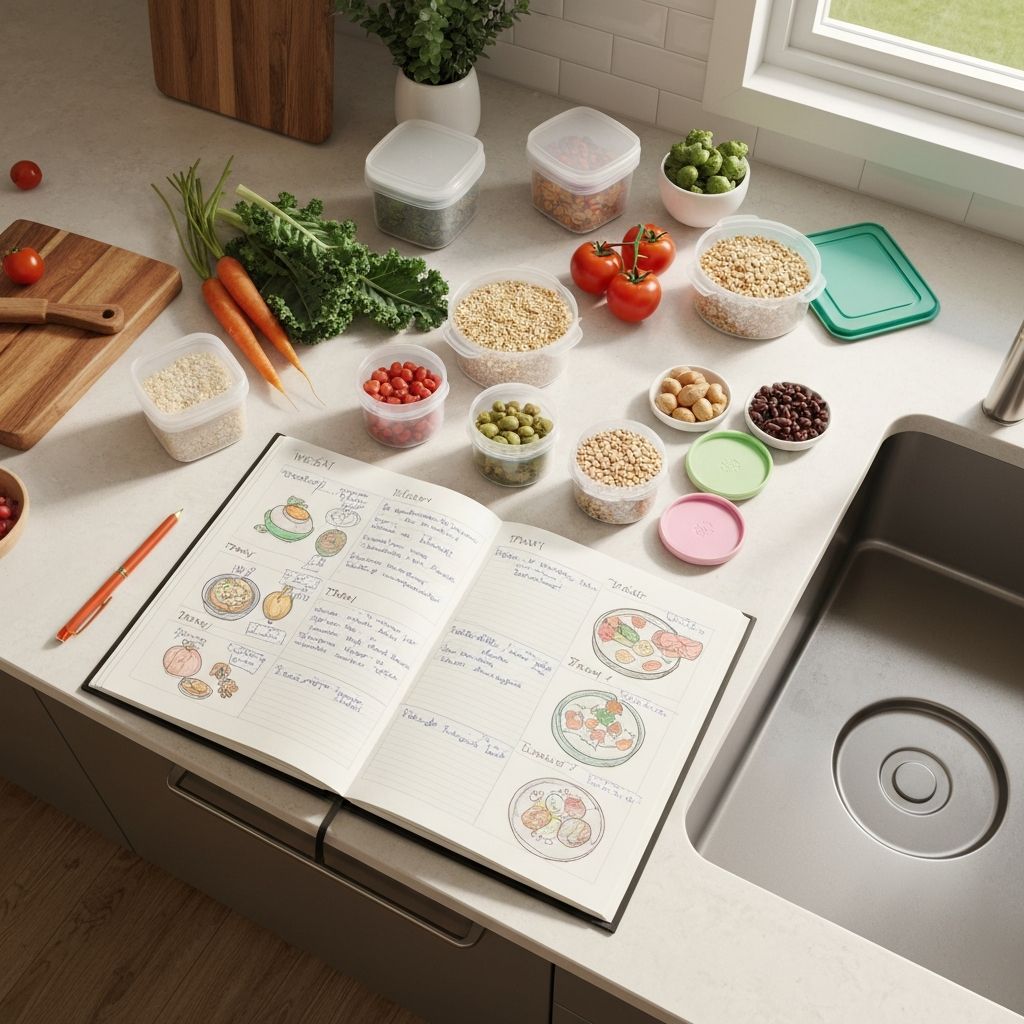
Learning to organize meals for the week reduces daily stress and improves time management. A basic weekly structure provides flexibility while maintaining consistency.
Understanding the role of proteins, carbohydrates, fats, and vegetables helps create balanced combinations without complex calculations.
Preparing components in advance saves significant time. Simple techniques for cooking grains, proteins, and vegetables can streamline weekday meals.
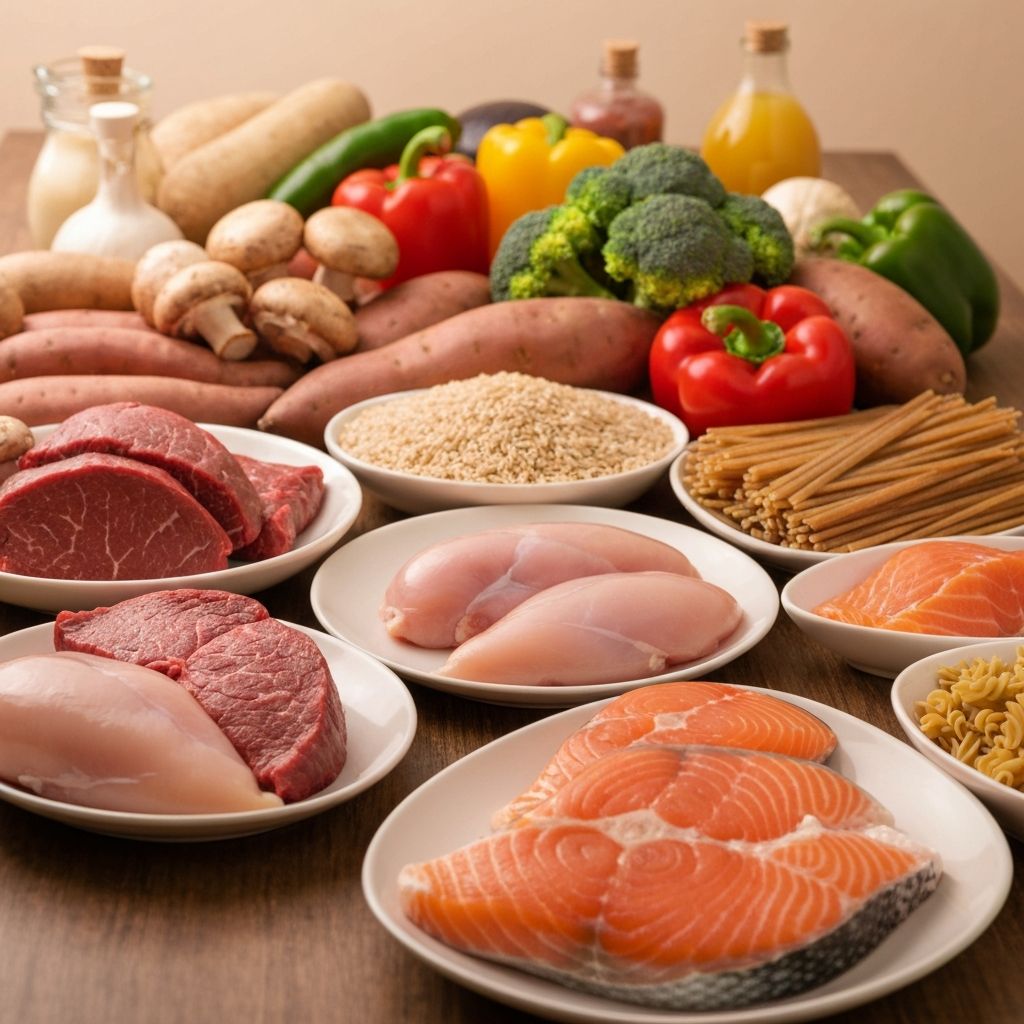
Eggs, canned fish, pre-cooked chicken, tofu, beans, and legumes offer convenient options that require minimal preparation time.
Rice, pasta, bread, oats, and potatoes are staples that can be prepared quickly or in advance for multiple meals.
Pre-washed salads, frozen vegetables, cherry tomatoes, and cucumbers require minimal preparation while adding nutritional variety.
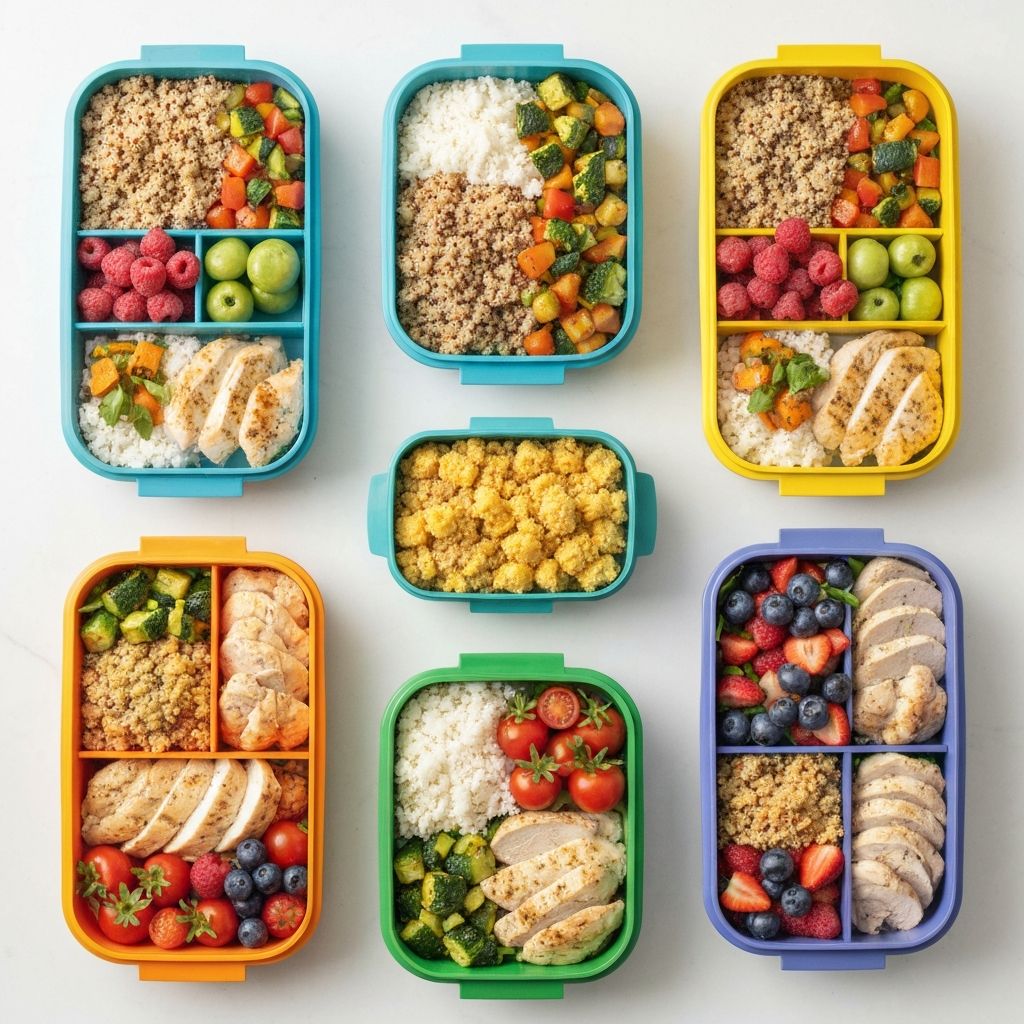
Effective meal preparation doesn't require hours of cooking. Learning efficient techniques can help you:
Individuals working long hours who need practical strategies for consistent nutrition.
Those managing academic schedules with limited kitchen access or cooking experience.
People frequently traveling for work who need flexible meal planning approaches.
Individuals balancing family responsibilities seeking efficient meal organization methods.
"The educational approach helped me understand meal planning in a practical way. I learned how to organize my weekly shopping more efficiently."
"Simple guidance that actually fits into a busy work schedule. The consultation provided useful information about food preparation basics."
"I appreciated the straightforward educational content. No unrealistic promises, just practical knowledge about daily nutrition organization."
Initial planning might take 30-60 minutes weekly, but this time decreases as you develop routines. The educational consultation helps you learn efficient approaches suited to your schedule.
Learning to organize shopping lists by store sections and focusing on versatile ingredients saves time. The consultation covers practical shopping strategies for busy schedules.
The educational guidance includes information about portable meal options, quick assembly techniques, and strategies for maintaining consistency even with irregular schedules.
The consultation covers flexible approaches to maintaining nutritional habits during travel, including practical tips for choosing foods when away from home.
Yes, the educational content focuses on simple, accessible techniques that don't require advanced cooking knowledge or special equipment.
A lifestyle nutrition consultant offers educational information about meal planning, food organization, and practical nutrition strategies. This is informational guidance, not medical advice or treatment.
Get guidance on organizing your daily nutrition with busy schedules. Educational consultation for practical meal planning strategies.
Send a Consultation Request